 Racing Club Hub
In the early 2000s, Racing Club found itself in a tumultuous period, grappling with a legacy that was both glorious and burdened by setbacks. The club had not lifted a major trophy since their 1990 Argentine league title, and the pressure was mounting on players and management alike. However, the 2003 Copa Sudamericana would provide the perfect stage for redemption, galvanizing players and fans in a shared dream of resurgence.
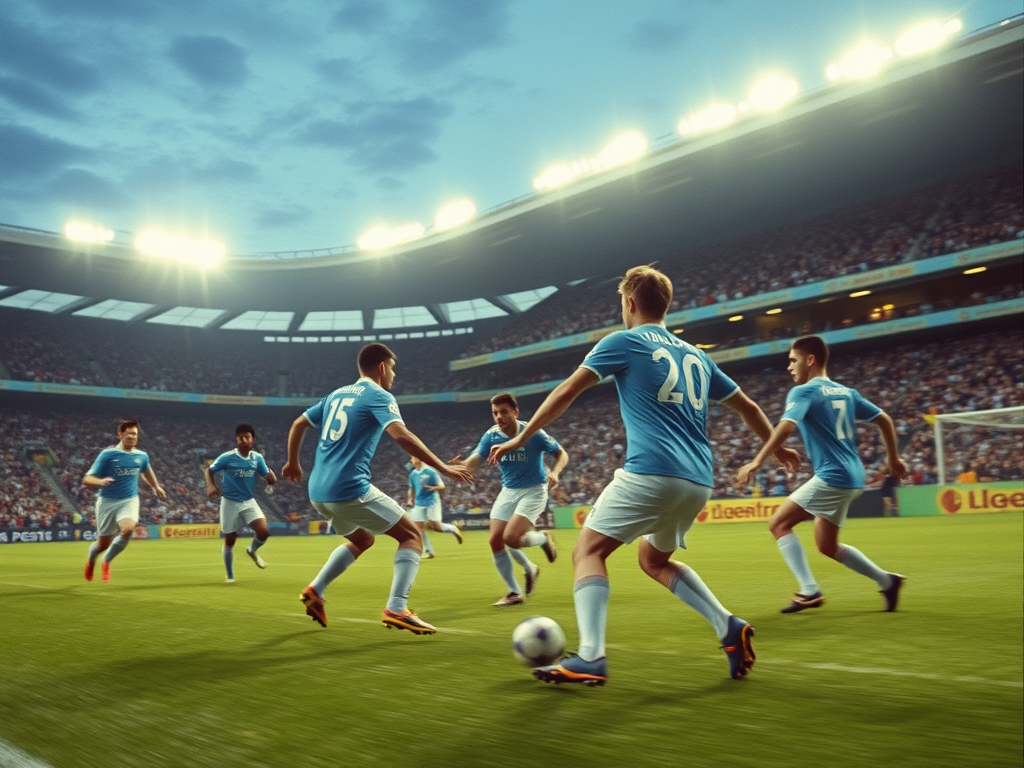
La Academia entered the inaugural Copa Sudamericana with high hopes, aiming to prove that they could compete on an international level once again. The tournament format was new, but the stakes felt familiar; every match was a chance to rewrite their story. Under the guidance of coach Reinaldo Merlo, Racing's squad blended youthful exuberance with seasoned veterans, creating a team capable of both flair and resilience.
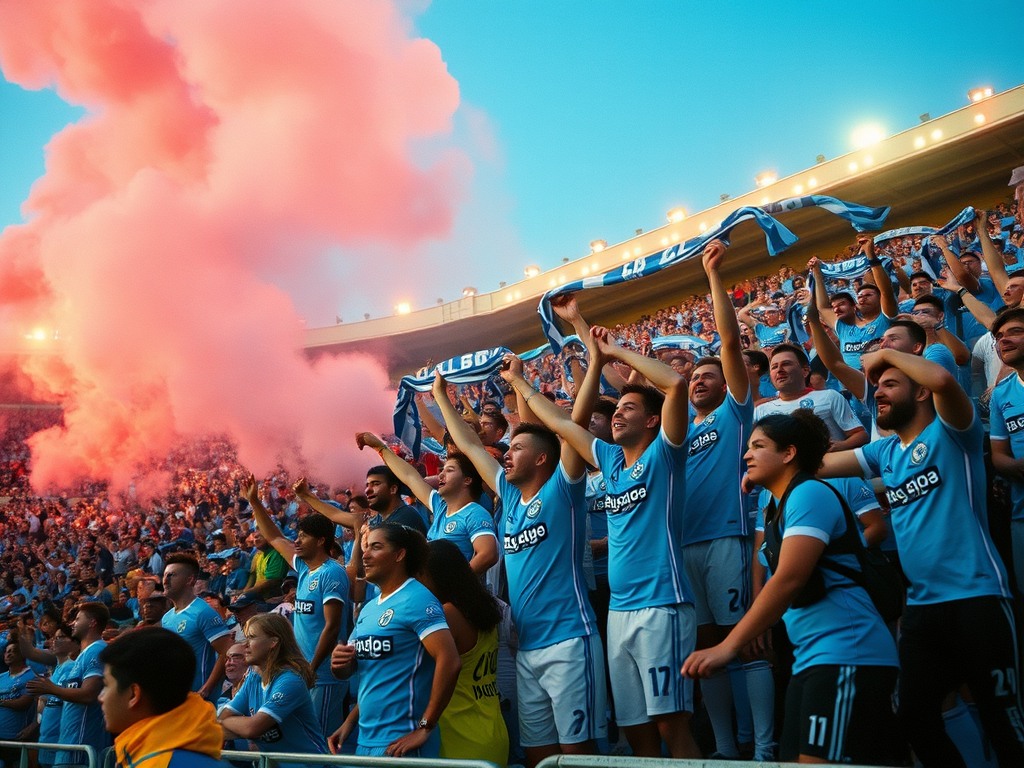
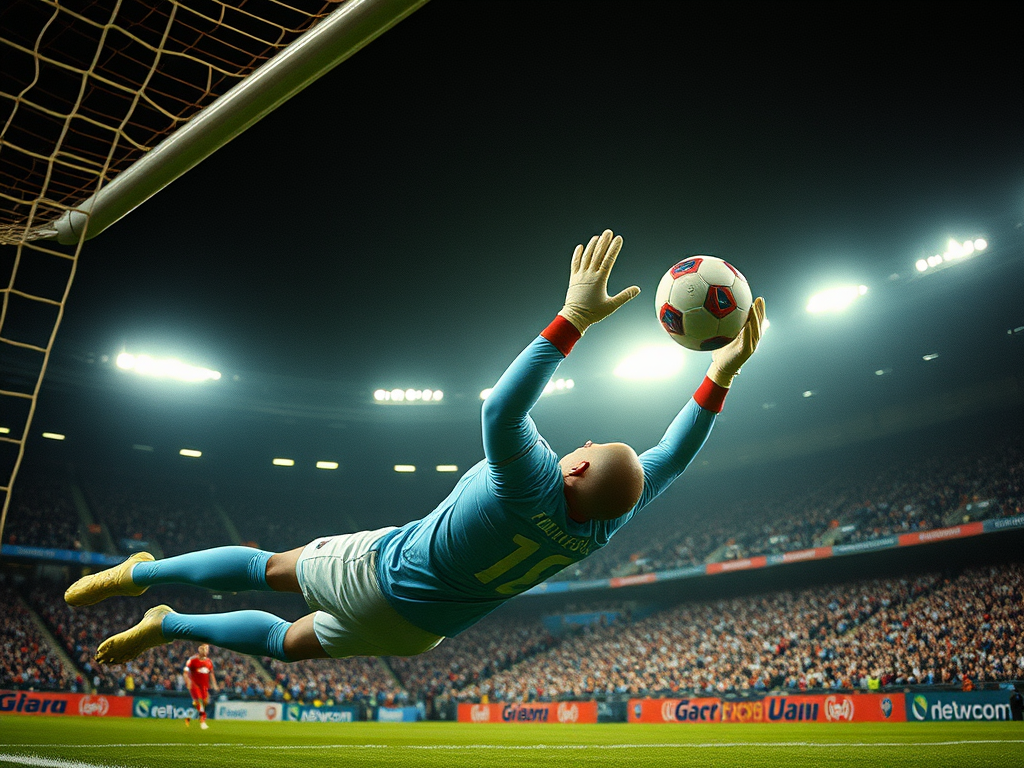
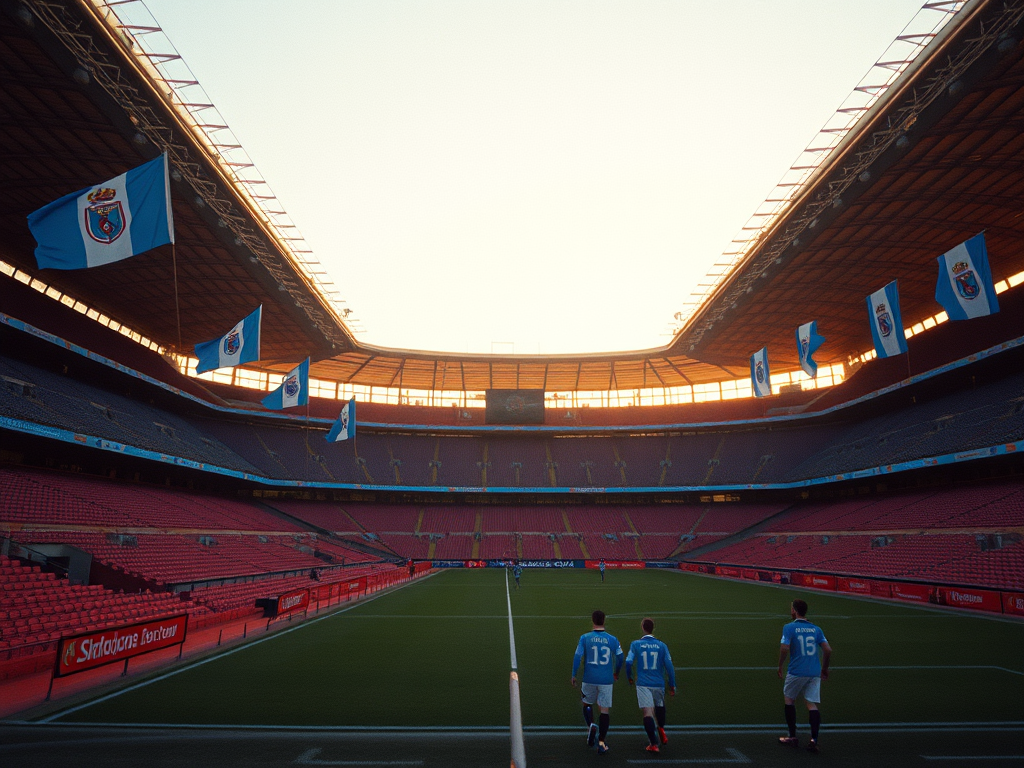
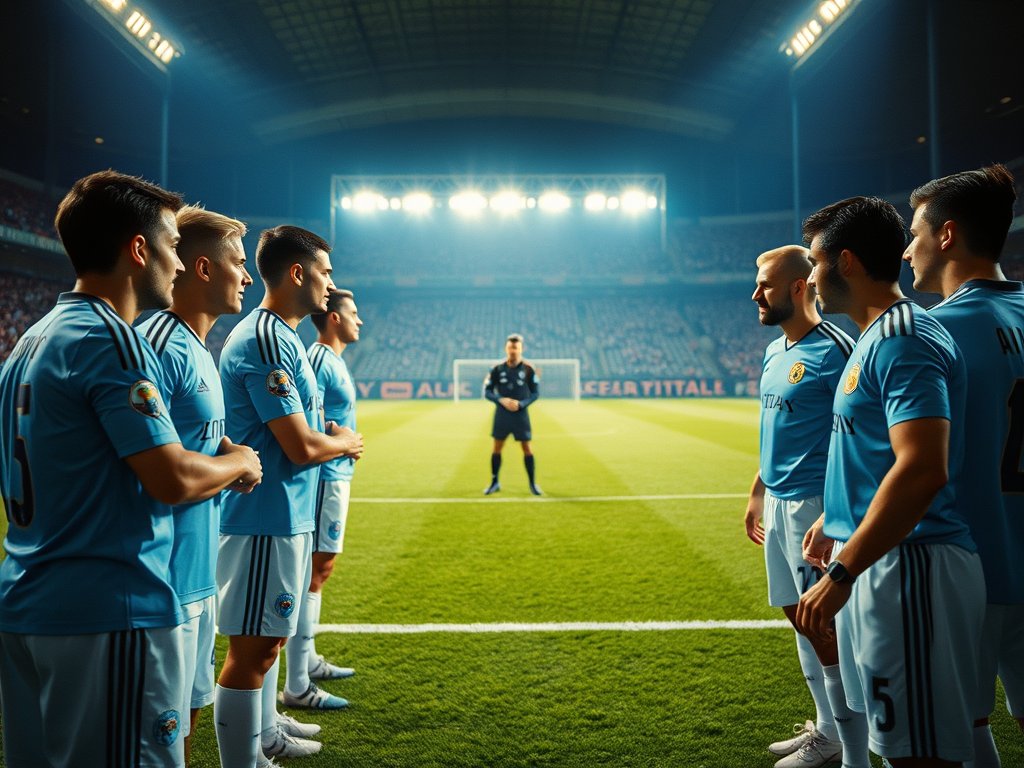
The journey began with an impressive display against Universidad de Chile, where Racing showcased their attacking prowess. The electric atmosphere at El Presidente Perón Stadium, known affectionately as El Cilindro, was palpable, with fans creating a cacophony of support that echoed throughout Avellaneda. As the tournament progressed, Racing faced increasingly tough competition, including a notable clash against the Brazilian giants, Atlético Paranaense. This match was a true test of character, with Racing emerging victorious thanks to a brilliant performance from their goalkeeper, who made several crucial saves that kept them in contention.
As the tournament advanced into the knockout stages, the stakes couldn’t have been higher. Racing faced an uphill battle against the formidable River Plate in the quarter-finals. The matches were intense, and emotions ran high as the fans, clad in the club's iconic blue and white, filled the stands, creating an atmosphere electric enough to inspire a team. These clashes were marked by fierce rivalry, tactical battles, and moments of individual brilliance, as Racing advanced to the semi-finals, proving that they had indeed returned to the forefront of Argentine football.
The semi-final against the Paraguayan side, Libertad, would be a defining moment for the club. Racing emerged victorious with a spirited performance that underscored their determination to lift a trophy after years of disappointment. The final, held in the historic Estadio Centenario in Montevideo, pitted Racing Club against the Mexican side, Pachuca. Though Racing ultimately fell short in the final, the very fact that they had reached this stage signified a monumental achievement for the club.
La Academia's run in the 2003 Copa Sudamericana transcended mere victories and defeats; it was a revival of the club's spirit. Fans rallied around their team, rekindling a sense of pride and belonging that had been waning for years. The tournament set the stage for future successes and a renewed ambition within the club.
In retrospect, the 2003 Copa Sudamericana was more than just a tournament; it represented Racing Club's ability to rise from the ashes and reclaim its identity. It marked the beginning of a new era, one filled with hope, ambition, and the unwavering support of its passionate fan base. As La Academia continues to strive for glory, the memories of that fateful tournament serve as a reminder of the resilience that defines Racing Club, ensuring that the spirit of Avellaneda remains unyielding.